




Klezmer Music and Dance: How an Old Jewish Art Form Finds Joyous Life at KlezmerQuerque
By Randall Edmunds
In a time when old musical traditions from around the world have seen renewed interest, none has received as much attention and energy as klezmer. Almost lost because of cultural upheaval and assimilation, klezmer today is a dynamic, evolving art form. Nowhere is that evolution more joyfully on display than at KlezmerQuerque, the annual festival hosted by Congregation Nahalat Shalom in Albuquerque, which returns March 6–8, 2026 for its 24th year.
Klezmer began in the Ashkenazi Jewish communities of Eastern Europe. The word comes from the Hebrew kley zemer--“vessels of song”. Over time it came to describe both the musicians, known as klezmorim, and the music itself. Historically, klezmer was the sound of weddings. Musicians accompanied multi-day celebrations, guiding processions, feasts, and dances. The melodies drew from wherever Jewish communities lived—Romanian and Moldovan rhythms, Ukrainian and Polish folk tunes, Ottoman ornamentation, and the modes of synagogue chant.
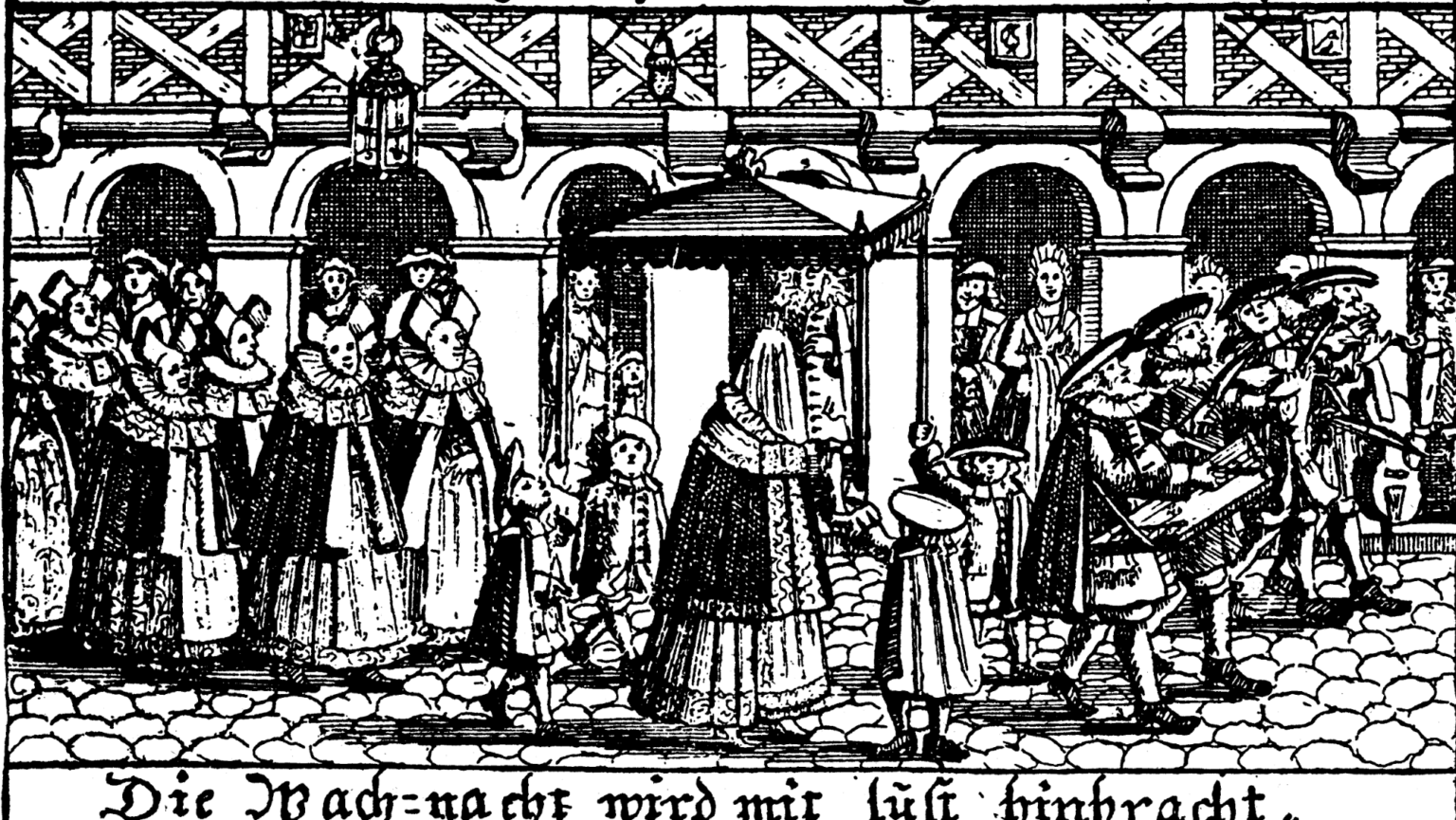
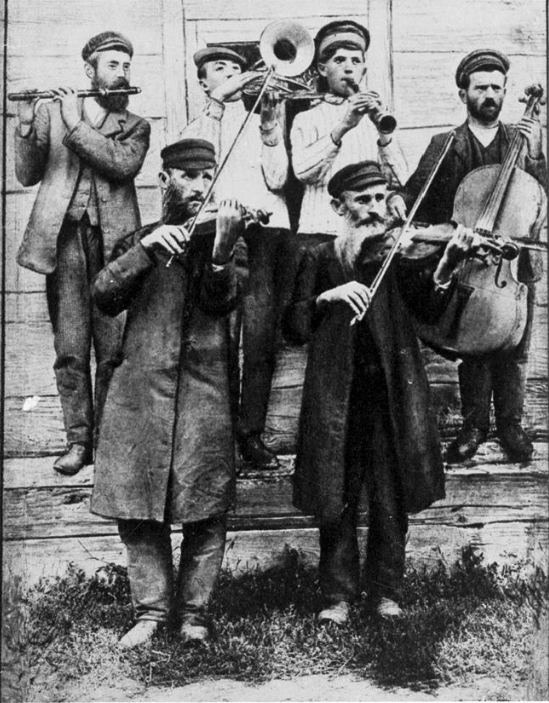
When Jewish immigrants arrived in the United States in the late 19th and early 20th centuries, they brought klezmer with them. In America, the music was influenced by jazz, vaudeville, and big-bands, flourishing in immigrant neighborhoods before fading mid-century as younger generations assimilated. But beginning in the 1970s, a revival movement—led by musicians, ethnographers, and cultural activists—reinvigorated the form. Today, klezmer thrives in conservatories, community bands, dance halls, and festivals around the world.
The Dance That Moves the Music
While klezmer is often thought of as a musical tradition, dance is equally important. The freylekhs, bulgars, horas, and shers that animate klezmer music are social dances rooted in Eastern European Jewish communities. Their steps emphasize grounded movement, expressive gestures, and communal connection.
As klezmer scholar Mark Slobin notes, “the relationship between music and dance is symbiotic: the melodies were shaped by the physicality of the dancers, and the dancers responded to the emotional contours of the music.” Today’s dance leaders teach traditional steps while encouraging improvisation and personal expression, embodying the joy of the music.
Out of this history, KlezmerQuerque, hosted annually by Congregation Nahalat Shalom, draws musicians, dancers, and scholars from across the country for a weekend of workshops, concerts, and community gatherings.
KlezmerQuerque was a result of the collaboration between Rabbi Lynn Gottlieb and the musical talents of Beth Cohen. Gottlieb had a history of performing stories and music from Jewish culture and upon her return to New Mexico in 1981, she says, “I set in motion a Jewish communal life centered in tending cultural arts for people from both Ashkenazi and Sefardic families and traditions and creating a community that was as much an artistic ensemble as it was a congregation.” She invited her friend, Erik Bendix, one of the first scholars of klezmer dance, to Albuquerque for a series of klezmer dance workshops.
Meanwhile, Beth Cohen, an accomplished musician and teacher with a love for klezmer music had previously started a klezmer band at Nahalat Shalom. Beginning as a small, multi-generational group of mostly families from the congregation, the Nahalat Shalom Community Klezmer Band evolved into an ensemble of up to 25 musicians. “I realized that the interest and enthusiasm for klezmer music and dance needed to be cultivated,” Cohen said. “Unfortunately, all the big klezmer festivals and teachers were located either on the East Coast or in Europe. So, we decided to bring them to us.”
KlezmerQuerque remains a small, “heymisher” (homey) festival with a focus on the fun of klezmer music and dance, education and community involvement. This year’s featured guest, Cookie Segelstein, along with her partner, Joshua Horowitz, were the guest artists at the very first KlezmerQuerque. Segelstein says, “We love this community so much. Each time we come back is like a family reunion,”
KlezmerQuerque is not just a music and dance festival. It has featured many elements of Jewish culture including Yiddish language classes, Jewish storytelling, programs for kids, and once even a class for Yiddish paper cutting.
KlezmerQuerque has now had a regional influence. While Congregation Nahalat Shalom remains the only synagogue in the country with an in-house klezmer band and dance group, new klezmer festivals have sprung up in Southern Colorado and Phoenix, Arizona. There are now numerous klezmer bands in Albuquerque and the Southwest.
This year’s festival, running March 6–8, 2026, promises an especially exciting lineup. Beth Cohen—producer of the festival—welcomes an array of guest artists with a wide range of expertise:
Headliners
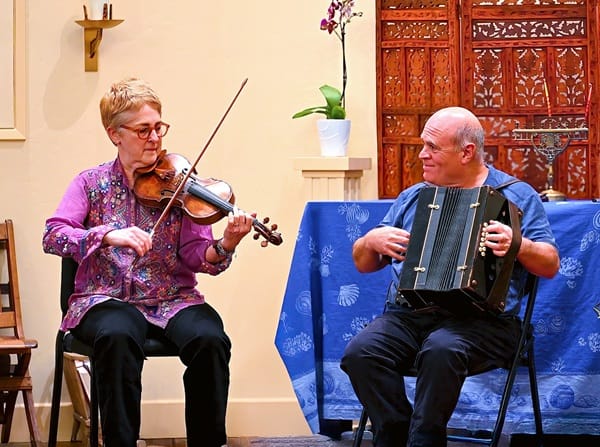
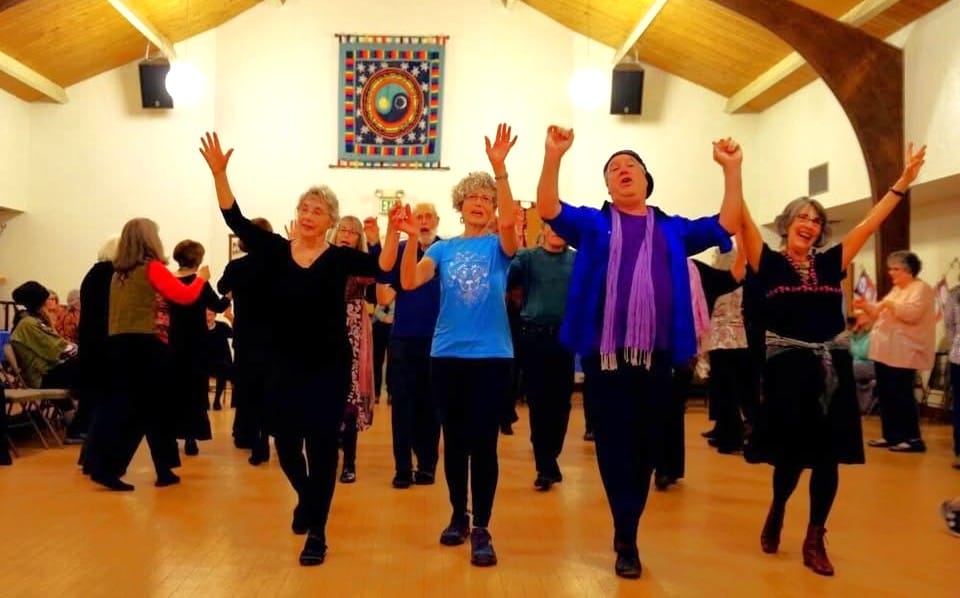
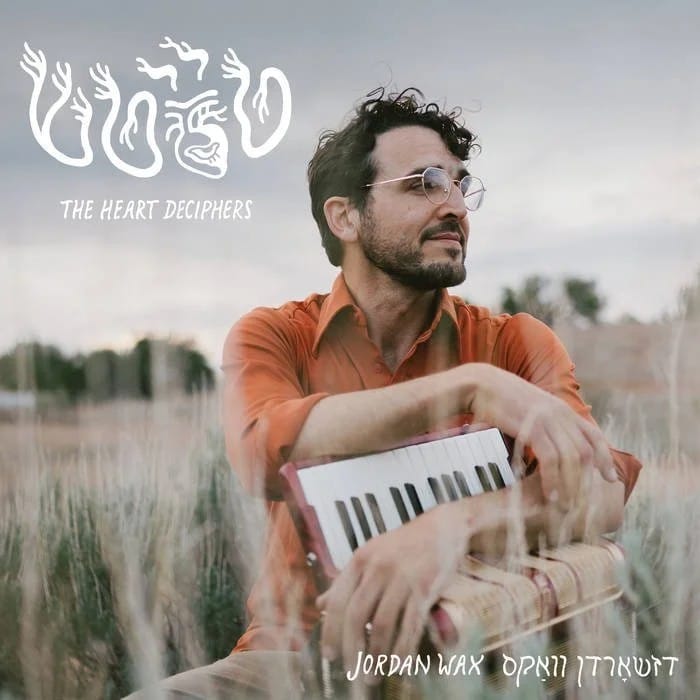
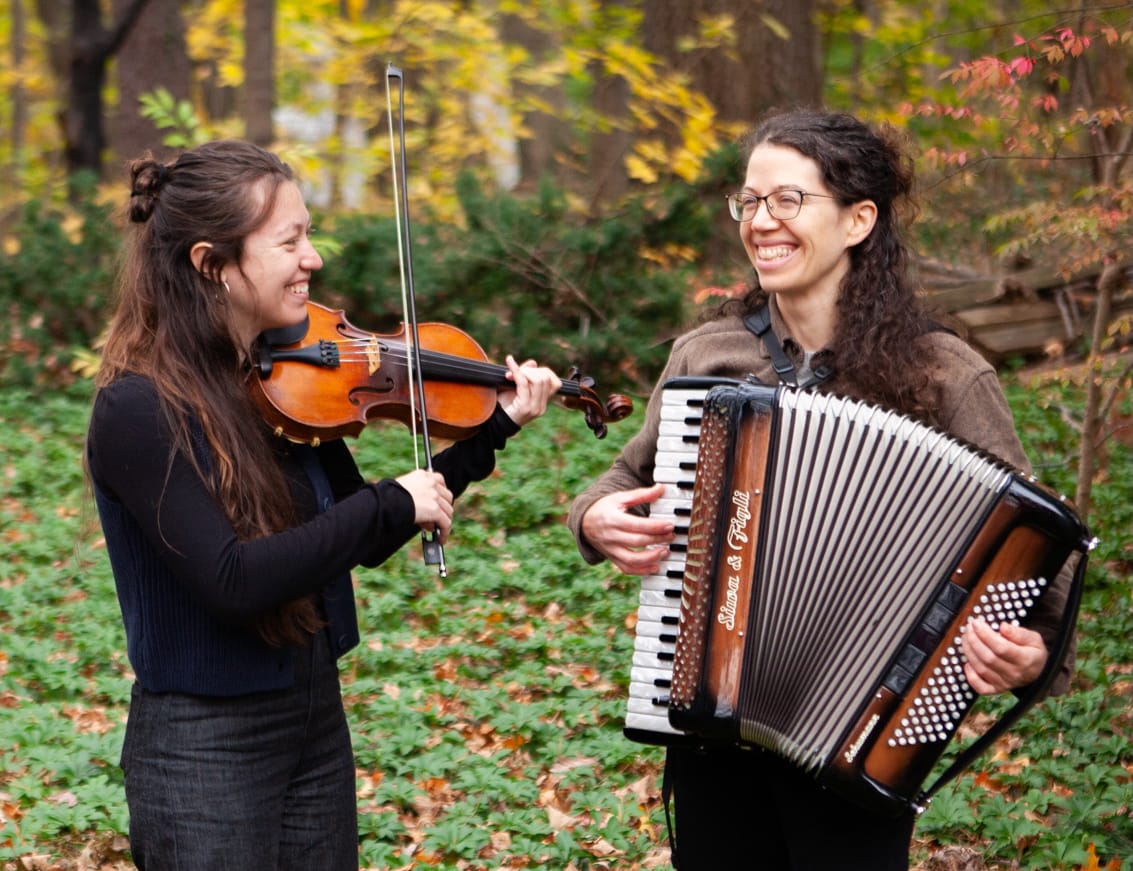
Cookie Segelstein and Josh Horowitz, Veretski Pass Duo; Bruce Bierman leads dancing; Jordan Wax; Rachel Leader and Ariel Shapiro, A Glezele Tey Duo.
Leading the musical offerings are Cookie Segelstein and Josh Horowitz, performing as the Veretski Pass Duo. Segelstein, a master violinist and violist, is renowned for her deep knowledge of Eastern European Jewish repertoire and her work with ensembles such as Veretski Pass, Budowitz, and The Klezmer Conservatory Band. Horowitz, a virtuoso of the chromatic button accordion, cimbalom, and piano, brings decades of scholarship and performance experience, including his tenure as Director of the Yiddish Music Research Project in Graz, Austria. Together, the duo is known for historically informed yet wildly creative interpretations of traditional melodies.
Dance takes center stage as well, with workshops led by Bruce Bierman—one of the leading figures in the contemporary Yiddish dance revival—and Gilberto Melendez, whose teaching provides accessible, community-oriented instruction. Their sessions invite participants of all levels to experience the joy of Yiddish dance firsthand.
Jordan Wax is a multi-instrumentalist, singer, composer, and traditional musician based in New Mexico. He is known worldwide for his composition and singing of new Yiddish music.
A Glezele Tey Duo: Rachel Leader and Ariel Shapiro, musicians, composers and cultural organizers, are known for their soulful interpretations of Yiddish songs and dance tunes.
Local Talent
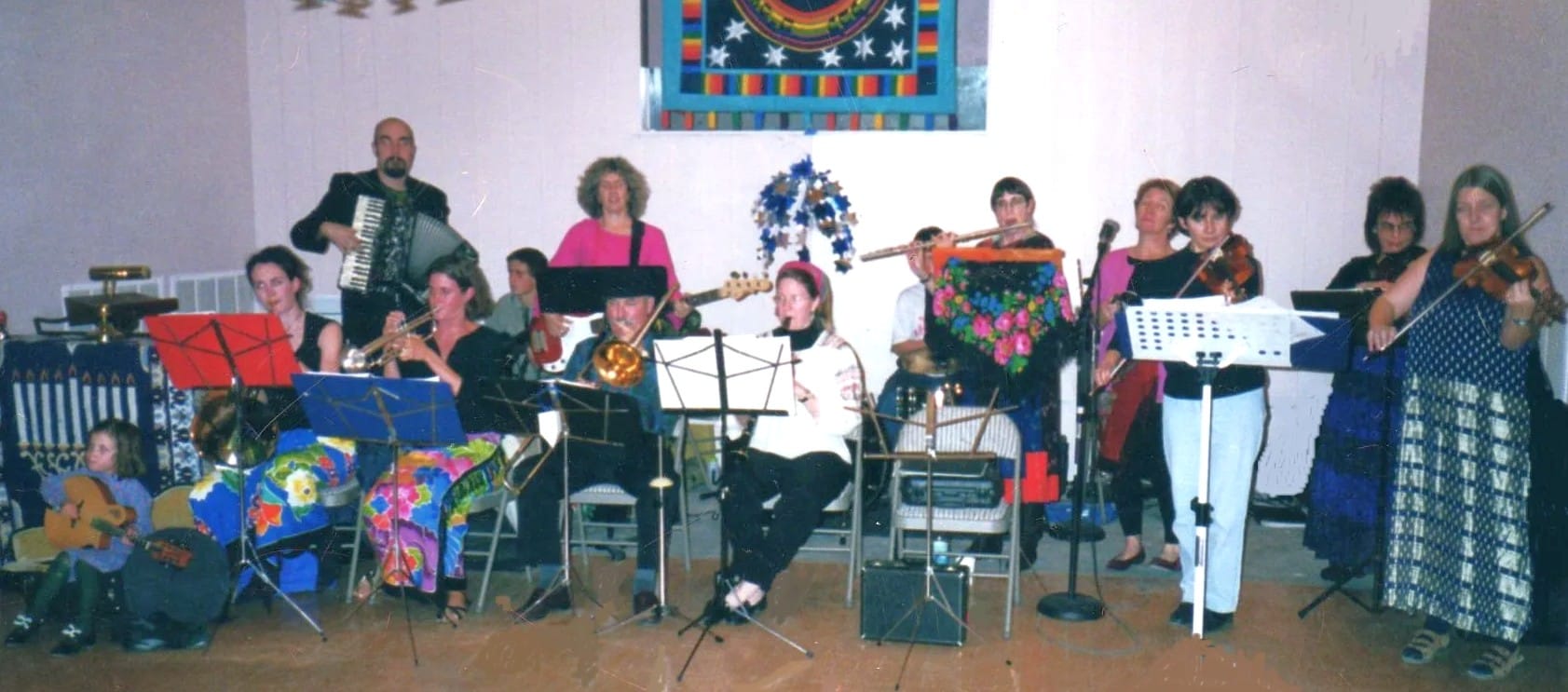
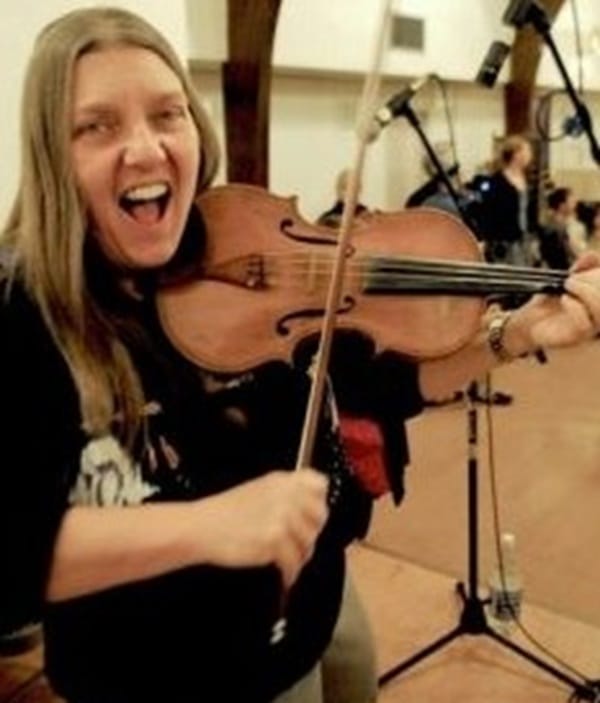
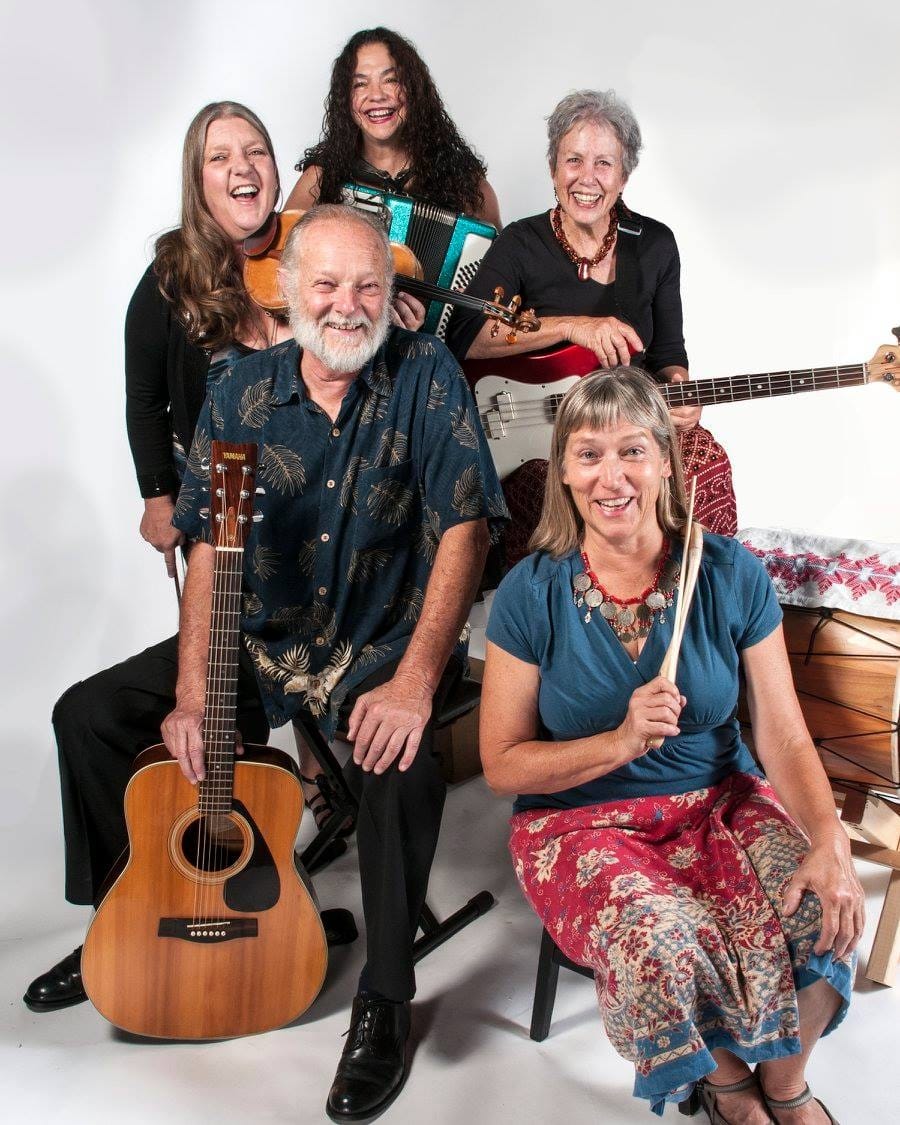
The Nahalat Shalom Community Klezmer Band, Beth Cohen, High Dezert Klezmer & Judaic Band
KlezmerQuerque also highlights the vibrant klezmer community of Albuquerque. Performers include: The Nahalat Shalom Community Klezmer Band, a multigenerational ensemble that represents the spirit of the festival; Rikud Dancers, who bring traditional and contemporary Jewish dance to life and to the community, and High Dezert Klezmer & Judaic Band, representing the variety of Jewish music from around the world.
A Weekend of Yiddishkeit
The festival’s schedule blends learning, celebration, and spiritual practice. Attendees can expect: Hands-on workshops in klezmer instrumental technique, Yiddish song, and traditional dance; concerts featuring guest artists and local ensembles, a Shabbat service infused with music, dancing, and communal singing, and a dance party that transforms the sanctuary into a joyous dance floor.
As KlezmerQuerque enters its 24th year, its mission remains clear: to celebrate, preserve, and grow the traditions of klezmer music and Yiddish dance. The festival seeks to foster cultural and historical authenticity while providing a space for creativity and innovation.
How to Learn More
The 24th KlezmerQuerque runs March 6, 7 & 8 at Congregation Nahalat Shalom, located at 3606 Rio Grande Blvd. NW in Albuquerque. To see the schedule, read artist bios and workshop descriptions, purchase tickets or volunteer, go to KlezmerQuerque 2026 — Nahalat Shalom Home . Everyone Welcome!
Randall Edmunds is co-producer of KlezmerQuerque and a musician with 30 years of experience studying and performing Klezmer and Balkan music.