











Spiraling Downward in Dante’s Inferno

by Ron Duncan Hart
One morning some time ago, I awoke early to the news that a bomb had exploded at the Hebrew University in Jerusalem where our daughter was studying for a year. She was supposed to be at the University that day. Seven were killed, and eighty were injured. By agreement, our daughter always carried her cell phone so that we could communicate with her in case of a problem. I called immediately. She did not answer. The voice message came on saying to leave a message after the beep, which I did, asking her to call back. Why was she not answering? She always had her phone at hand and answered quickly. My anxiety grew. My wife was still asleep, and I went to the kitchen and started mundane chores to keep my mind occupied, but time dragged on. I called again, still no answer. I turned on the computer and checked the Internet for news. No details. No names.
Later, I heard my wife in the bedroom, and I knew that she was awake and must have heard the news. I went, and she sat frozen and rigid on the edge of the bed. She knew the possibility as well as I did. I tried to dissimulate her fear and mine saying that maybe she did not go to the University today. We heard the drumbeat of news about the dead and injured but no names. My wife called our daughter’s phone, but there was no answer. We sat numb, listening to the repeated cycle of news that was already burned indelibly into our minds. The repeat of the news, non-news provided the focus for our emptiness during the time that we did not know if our daughter were among the injured or dead or alive and well. I felt the emptiness of frozen fear that people feel when terrorism of a mass shooter strikes at schools, restaurants, markets, the very places of our daily lives. The fear of killing in our streets.
About 9:30 the phone rang, and both of us answered on the first ring. A man’s voice with an Israeli accent spoke, confirming our names, and my heart sank. Oh no, I thought, we are being notified, something has happened. The terror of an official notification was a jolt that made me tremble. Was she injured or worse? Through those first confused micro-seconds, the sound of an unknown Israeli voice alerted my worst fear, something was wrong. Then, I heard him say that he had spoken with our daughter. I focused. Why was he calling and not her? Was she injured? My fear was sharpened because a person we did not know was calling. Then, I heard him say that he had talked with her, and he was calling to let us know that she was all right, but she was unable to call. My mind locked onto the phrase, “She was unable to call.” He did not know details and could not tell us anymore. Happy to hear that she was alive, we were still fearful why she could not call. Was he holding back something? If she were physically able, she would be calling us instead of sending messages through someone else. Was she in a hospital? Why was she unable to call?
With these anxious thoughts flooding our minds, we called her phone again, and as if with a bolt of fresh air, she answered, and we heard her voice. She had not gone to the University that morning as planned but had gone to the tunnels under the Temple Mount where there was no cell phone service. When she came out the tunnels, the phone system had crashed, overloaded because of the bombing.
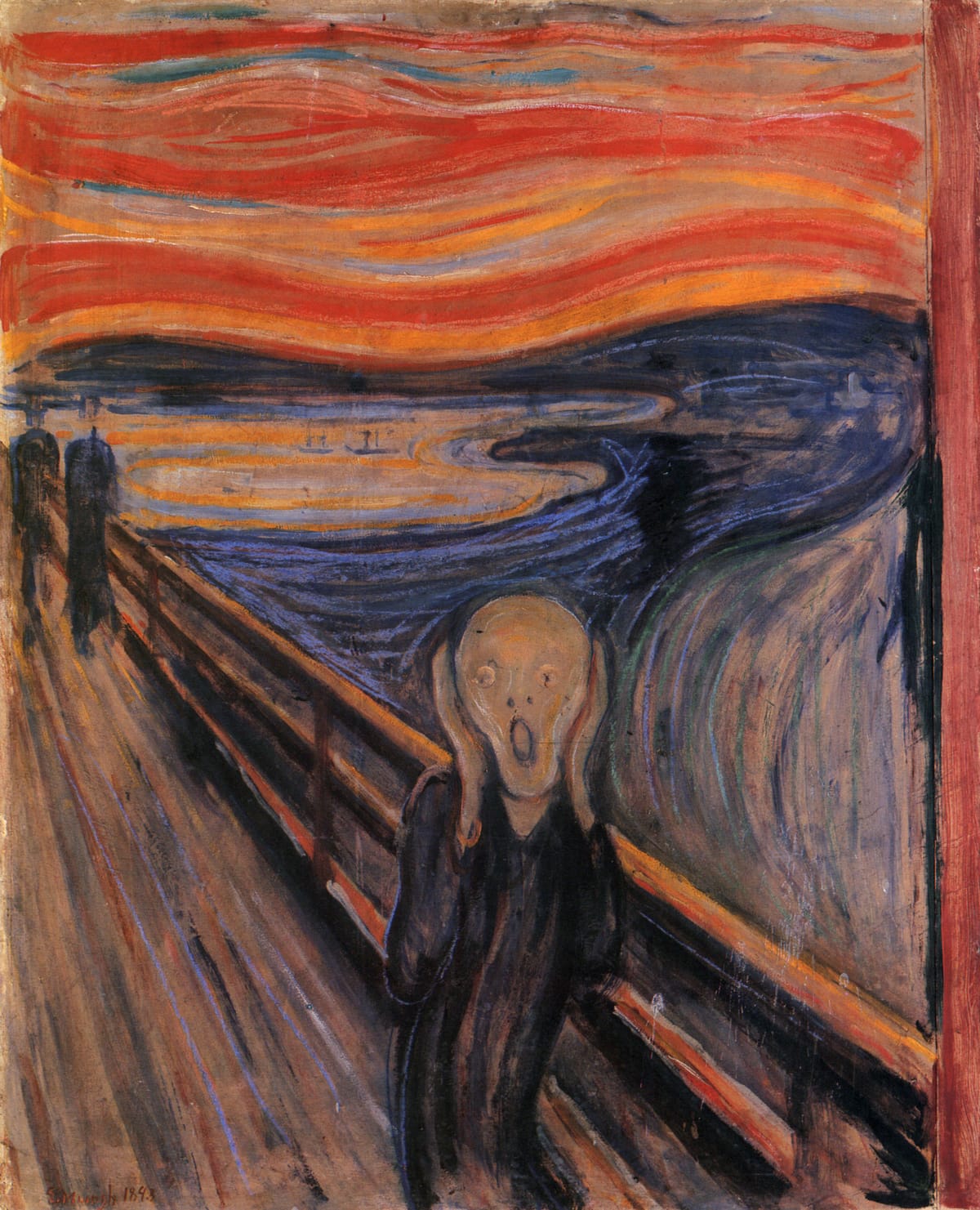
My fear that had been honed to a knife’s edge softened. Where will the next bombing be, and will my daughter be in the wrong place next time? I thought about the people who live with this experience on a regular basis with no escape. When do we as a people become exhausted from the killing and being killed? Why do we as humans have trouble accepting the existence of the Other that is different from us or disagrees with us? My daughter is alive, but I had stared that day into the abyss of hatred and despair. I saw the hordes of mothers and fathers, husbands and wives, brothers and sisters who have stood in the same place seared by grief and death from the blast of the bomb or shot of the gun engineered by agents of violence besmirching our everyday lives of family and community. Dante’s Inferno lingers hauntingly in the back in my memory in this normalization of violence. We are doing it to ourselves.
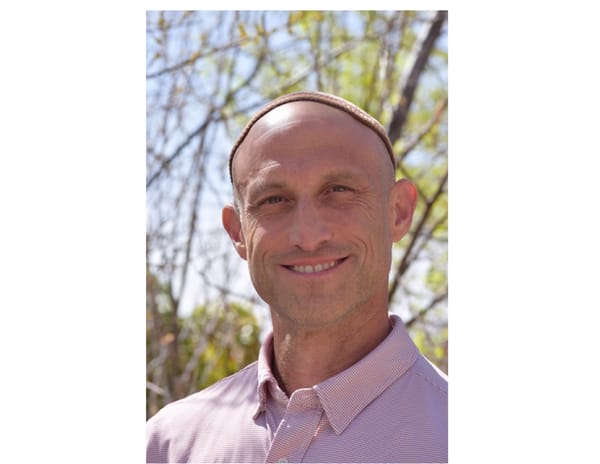
Ron Duncan Hart, Ph.D. is a cultural anthropologist and former Dean of Academic Affairs. He has awards from the National Endowment for Humanities, the National Science Foundation, Ford Foundation, and Fulbright among others. He is an award-winning author and is currently the director of the Institute for Tolerance Studies in Santa Fe and the Santa Fe Distinguished Lecture Series.
Read Hart's multi-award-winning series on Jews and Christian Nationalism in the New Mexico Jewish Journal: “Prophetically terrifying and a great history of the Evangelical takeover of the government leading us to a U.S. theocracy,” commented one judge.
Read all Ron Duncan Hart articles
Community Supporters of the NM Jewish Journal include:
Jewish Community Foundation of New Mexico
Congregation Albert
Jewish Community Center of Greater Albuquerque
The Institute for Tolerance Studies
Jewish Federation of El Paso and Las Cruces
Temple Beth Shalom
Congregation B'nai Israel
Shabbat with Friends: Recapturing Together the Joy of Shabbat
New Mexico Jewish Historical Society
Where the North Ends, A Novel by Hugo Moreno
Policy Statement Acceptance of advertisements does not constitute an endorsement of the advertisers’ products, services or opinions. Likewise, while an advertiser or community supporter's ad may indicate their support for the publication's mission, that does not constitute their endorsement of the publication's content.
Copyright © 2026 New Mexico Jewish Journal LLC. All rights reserved.